

10 Ayurvedic Remedies for PMOS Management in Women
Natural Ayurvedic Approaches for PMOS Management and Hormonal Wellness
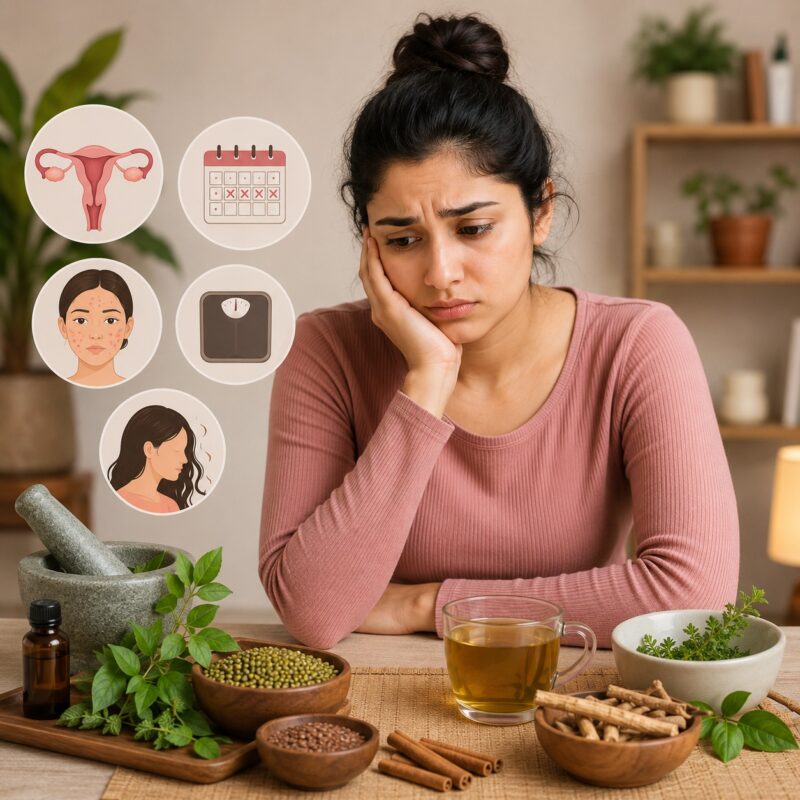
Natural Practices That May Support Hormonal Balance and Overall Wellness
Polyendocrine Metabolic Ovarian Syndrome (PMOS), previously known as PCOS, is a hormonal and metabolic condition that may affect menstrual cycles, skin, body weight, energy levels, and ovulation. Since it involves more than one body system, many women look for supportive lifestyle practices in addition to medical guidance.
Among the commonly explored approaches, Ayurveda focuses on creating balance through food, daily habits, movement, and mindful living. While Ayurveda is not considered a cure for PMOS, some women include Ayurvedic-inspired practices in their overall wellness routine.
Below are some popular Ayurvedic remedies for PMOS management in women and how they may fit into everyday life.
1. Begin Your Day With Warm, Nourishing Meals
One of the first lifestyle changes Ayurveda often encourages is improving how the day starts. Skipping breakfast, eating irregularly, or depending heavily on packaged foods may make routines harder to maintain. Instead, Ayurveda emphasizes warm, satisfying meals prepared with simple ingredients.
Foods commonly included:
- Vegetable poha
- Moong dal chilla
- Millet porridge
- Homemade upma
- Fresh seasonal fruits
These foods are often chosen because they feel balanced and easier to include regularly. Rather than focusing on restriction, the idea is to create meals that keep you satisfied and help establish consistency.
Quick Tip: Try eating breakfast within a consistent time window each morning instead of skipping it.
2. Explore Traditional Ayurvedic Herbs Carefully
Herbs are one of the most searched Ayurvedic remedies for PMOS management in women, but Ayurveda traditionally views herbs as supportive—not standalone solutions.
Commonly discussed herbs:
- Ashwagandha
- Shatavari
- Turmeric
- Fenugreek
- Cinnamon
These herbs are traditionally included in wellness routines and are often paired with balanced eating and lifestyle practices. However, more is not always better. Herbal supplements may not suit everyone and can interact with medications.
A better approach is choosing habits first and herbs second.
Quick Tip: Introduce only one change at a time instead of starting multiple supplements together.
3. Make Yoga and Daily Movement Part of Your Routine
Many people think exercise has to be intense to be effective, but Ayurveda generally supports sustainable movement over extreme routines.
Activities you may include:
- Walking
- Yoga
- Stretching
- Light strength training
- Moderate cardio
Yoga is especially popular because it combines movement and relaxation in one practice. The goal is to stay active without creating a routine that feels impossible to maintain.
Even twenty to thirty minutes of regular movement may feel more achievable than occasional intense workouts.
Quick Tip: Pick activities you genuinely enjoy so they become easier to continue.
4. Improve Sleep Before Looking for Complex Solutions
Sleep is often overlooked when building wellness routines. Irregular schedules, late nights, and excessive screen time may affect everyday habits and energy.
Ayurvedic-inspired sleep habits include:
- Sleeping at similar times
- Limiting screens before bed
- Keeping dinners lighter
- Creating a calm nighttime routine
This remedy may sound simple, but many lifestyle improvements become easier when rest becomes more consistent.
Better sleep supports better decisions during the day.
Quick Tip: Start by moving bedtime earlier by 15–20 minutes instead of making drastic changes.
5. Practice Mindful Eating Instead of Rushed Eating
Ayurveda pays attention not only to food choices but also to eating habits. Meals eaten too quickly or while multitasking may make routines feel chaotic.
Simple mindful eating habits:
- Eat seated whenever possible
- Chew slowly
- Avoid screens during meals
- Notice fullness signals
- Drink enough water
Women exploring Ayurvedic remedies for PMOS management in women often find mindful eating easier to sustain than strict meal plans.
The goal is awareness—not perfection.
Quick Tip: Begin with one distraction-free meal daily.
6. Reduce Processed Foods Gradually
Ayurveda generally promotes adding nourishing foods before focusing on restrictions.
Try increasing:
- Whole grains
- Lentils
- Vegetables
- Homemade meals
- Nuts and seeds
Try reducing:
- Sugary drinks
- Excess packaged snacks
- Frequent deep-fried foods
Small swaps repeated consistently often feel more realistic than eliminating entire food groups overnight.
Quick Tip: Replace one packaged snack each day with a homemade option.
7. Manage Stress With Small Daily Rituals
Stress management is another commonly discussed part of Ayurvedic remedies for PMOS management in women. The aim is not eliminating stress completely but creating regular moments of recovery.
Simple practices include:
- Deep breathing
- Meditation
- Journaling
- Gentle stretching
- Quiet walks
Even five minutes daily may feel easier to maintain than long routines.
Think of relaxation as a daily habit instead of an occasional reward.
Quick Tip: Attach a calming habit to something you already do every day.
8. Build a Routine That Feels Sustainable
Ayurveda often returns to one core idea—consistency.
Try creating structure through:
- Regular meal times
- Daily movement
- Consistent sleep
- Hydration habits
- Small realistic goals
Many women find that routines become easier to maintain when they stop trying to change everything at once.
Progress does not have to look dramatic to be meaningful.
Final Thoughts
Exploring Ayurvedic remedies for PMOS management in women may encourage healthier routines centered around nourishment, movement, rest, and balance. Rather than focusing on quick results, Ayurveda emphasizes habits that feel sustainable and realistic over time.
Since PMOS affects each person differently, use Ayurvedic practices as supportive tools alongside professional medical advice.
Most Popular Articles













Related Articles



Related Articles
-

8 Essential Ayurvedic Herbs And 5 Best Ayurvedic Hair Masks For Hair Loss
Ayurveda is the oldest holistic healing system in the world that dates back to the 4th century BCE. The word...
-

Comparison Between Cow Milk And Buffalo Milk As Per Ayurveda
Milk is very high in nutrition – whether it is cow or buffalo milk. But when you have a choice,...
-
How To Maintain Your Oral Hygiene The Ayurvedic Way
Ayurveda pays special attention to the oral health. Ayurveda recommends brushing your teeth regularly for good health. During ancient times,...
-

When And How To Apply Oil According To Ayurveda
Ayurveda has been a long-standing organic and holistic treatment for many problems. It can help prevent khalitya (hair fall). One of the...