What is Your Fashion Personality?
Discover your fashion personality with this quiz!
This quiz will help you strategize your wardrobe to better embrace your true style. It’s not super long, and they’re simple multiple choice questions about what type of things you like.
Once you complete the quiz, it’ll give you some insight into your fashion personality. In the upcoming weeks we will be posting even more tips to help you with your unique style, including curated looks for each type!
You may find that more than one description fits your personal style, but try to choose the one that best describes you.
LET’S PLAY!
[wp_quiz_pro id=”6298″]
FASHION QUESTIONS
Q. What is todays fashion?
Here are the top trends of 2020:
NEW YEAR, NEW DENIM

There’s plenty of newness on the denim scene in the year ahead. Here are the denim details to look for if you want to update your baby blues.
-
- Embroidering. If you’re crafty, now’s the time to get out your embroidering needles and flock your favorite jeans with whimsical embroidered detail—or buy jeans with these details, like the rest of us.
- Embellishment & Add-ons. Studs, pearls and yes, even a few rhinestones here and there are making their way back to our favorite jeans.
- Interesting hems. Denim hems are also getting a little something extra with laces, bows, fringe and slit-openings at the ankle.
- Straight legs. More relaxed than the resiliently popular skinnies, a straighter leg style will be front and center.
- Lower rises. And just when you thought denim couldn’t get any higher, it gets low again. Not the super-low-rise of the early 00’s mind you, but a low slung and hip-grazing rise is quickly gaining momentum.
Dark rinses. There’s no such thing as too dark when it comes to rinses for 2020, so slip on those ultra deep-hued denim for a polished take on a casual staple.
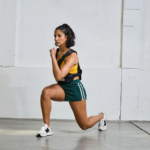
ATHLEISURE ISN’T GOING ANYWHERE

Who doesn’t love being able to go from lounging to running errands with the same versatile wardrobe pieces? Those sleek leggings, tailored joggers, hoodies and other casual staples we’ve come to rely on are stepping up for the new year with even more variations like bright colors and luxe materials (hello cashmere and leather!) Be sure you’re well-stocked in all the athleisure essentials for style that’s the epitome of easy-going.
NAUTICAL THEMES ARE MAKING WAVES

Set sail in a new style direction by adding some nautical flair. This trend is all about bold stripes and charming motifs like anchors on your tops, dresses and tees. Combine with textural elements like a straw clutch or strappy wedges, and you’re ready for a mid-winter vacation to a sunny destination or prepped and ready for warmer months to come.
SWEATERS GET LIGHTER AND BRIGHTER

Both in color and weight, sweaters get a lighter take in 2019. Try a cardigan in a soft pastel hue or pull on a turtleneck that’s a little thinner and more breathable (cotton, viscose, rayon and poly blends will give your skin a breath of fresh air). With bright and versatile knits, you can bridge the gap between seasons and banish those dreary winter hues.
BE BOLD IN ALL-BLACK

Black is the new, well, black. Though never out of style, this obsidian hue—particularly ensembles in all-black—has been getting less attention, but 2019 is bringing this unfailingly chic color back front and center. Try an all-black look with your best black skinny jeans and a sweater and add some oomph with a pop-of-print leopard flat and a bold red lip.
Stylist Tip: Add even more interest to your all-black look by focusing on note-worthy silhouettes and textures, like dramatic wide-leg trousers or opting for leather leggings or a suede moto jacket.
REDISCOVER WRAP DRESSES
Like black, this shape-savvy silhouette will always be a mainstay, but we’ll be focusing on this staple dress style even more in the year to come. Wraps in various lengths and featuring flouncy floral prints (including looser kimono-wrap styles) and rich, solid hues are all deserving of our attention.
SKIRTS ARE GETTING SHORTER

Prepare for 60’s-inspired skirt styles with leg-baring lengths. Contrast their lack of material by juxtaposing your short skirt with long-sleeves, tights and outerwear, and keep your heel height modest for a sophisticated look.
If your new year’s resolution was to step up your style game in the coming year, tapping into these trends will have you well on your way to your most fashion-forward year yet.
Q. What is your definition of fashion?
Fashion is most often thought of as a phenomenon of the Western world from the late Middle Ages onward; but fashion-oriented behavior existed in at least some other societies and historical periods, such as Tang Dynasty China (618-907) and Heian Period Japan (795-1185). For example, at the eleventh-century Japanese court, it was a term of praise to describe something as imamekashi (“up-to-date” or “fashionable”). A regular pattern of stylistic change with respect to dress and interior decoration existed in Europe by the fourteenth century. The first fashion magazine is thought to have appeared in about 1586 in Frankfurt, Germany. By the seventeenth century, Paris was the capital of European fashion, and the source of most new styles in women’s dress. By the eighteenth century, however, fashions in men’s clothing tended to originate in London.
Modern Influence of Fashion
La mode is the French word for fashion, and many scholars believe there is a link between la mode (fashion) and la modernité (modernity, or the stylistic qualities of what is modern). Certainly, the number of people following fashion increased greatly in the modern era, especially beginning in the nineteenth century, due to the spread of democracy and the rise of industrialization. The later nineteenth century witnessed both the mass-production of ready-to-wear clothing and also the development in Paris of the haute couture. Although most dressmakers then were women, some of the most famous early couturiers were men, such as Charles Frederick Worth. Other famous Paris couturiers of the twentieth century include Gabrielle “Coco” Chanel, Christian Dior and Yves Saint Laurent.
Haute Fashion vs. Ready to Wear
It is popularly believed that there is a great difference between high fashion and ordinary clothes, but this is not the case. Designers such as Chanel and Dior sold expensive fashionable clothes to a relatively small number of people, but their designs were widely copied by manufacturers, who sold the “knock-offs” for a fraction of the price of the originals to a much more extensive clientele. Another popular myth is that men do not wear fashion. While it is true that men’s clothing changes more slowly and subtly than women’s clothing, it, too, follows the fashion. In the 1980s, for example, Giorgio Armani designed fashionable men’s suits and jackets that had a profound influence on menswear generally. Finally, it is widely assumed that changes in fashion “reflect” societal change and/or the financial interests of fashion designers and manufacturers. Recent research indicates, however, that there also exist “internal taste mechanisms,” which drive changes in fashion even in the absence of significant social change. Particularly relevant is Stanley Lieberman’s research on fashions in children’s first names, which are clearly unaffected by commercial interests. No advertisers promote the choice of names such as Rebecca, Zoe, or Christopher, but they have become fashionable anyway.
What is the importance of fashion?
In general, fashion is important because it reflects every culture in the world. It was a way to create different social groups. Our first clothes existed to protect our body from harm and cold. It slowly turned into an industry – from jewellery to shoes and clothes. We do not wear the same clothes through the centuries so fashion trends have always been a thing.
Nowadays, fashion is still a mean or recognition for your status or social group in a way or another. Fashion is a way of self-expression – you can either choose to play with it or let others decide what your outfit tells about you.
More than self-expression, fashion is a mean of self-empowerment and confidence.